On the morning of May 19, 2022, an explosion and fire broke out in the first-floor substation room of a specialty-gas supplier inside the Hsinchu Science Park, reportedly caused by transformer overheating. Taipower traced the event to equipment failure at a 161kV extra-high-voltage customer, which disturbed the surrounding grid.
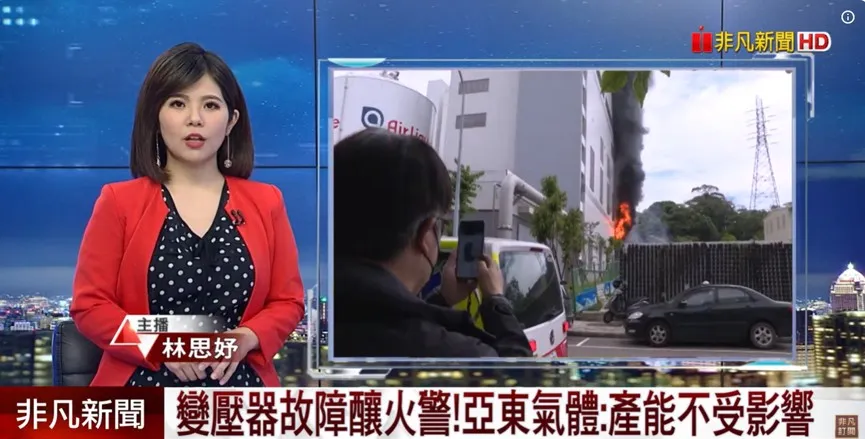
Although Taipower’s own equipment was unaffected, the fire still caused a Class-C voltage sag across the park. TSMC and UMC reported no production impact, but some tools without UPS protection at Powerchip were hit. For wafer fabs with zero tolerance for outages, even a sub-second sag can trip tools and destroy work-in-progress.
The incident exposes two layers of risk. First, an insulation failure in a customer’s own substation doesn’t just burn its own assets — through grid disturbance, it becomes a supply-quality event for the entire industrial cluster. Second, many high-tech plants maintain process tools meticulously, yet treat the insulation health of their 161kV/69kV incoming transformers, GIS, and cable systems as a once-a-year routine test. In the “overheating → insulation degradation → fire” chain, the insulation-anomaly stage is usually detectable in advance through PD and temperature monitoring. For large science-park users, the defense line belongs inside their own facility.
Wintech Electric’s PD testing solutions cover plant incoming transformers, GIS, and cable systems, helping facility teams track insulation condition during shutdowns and live operation — and keep production lines powered.
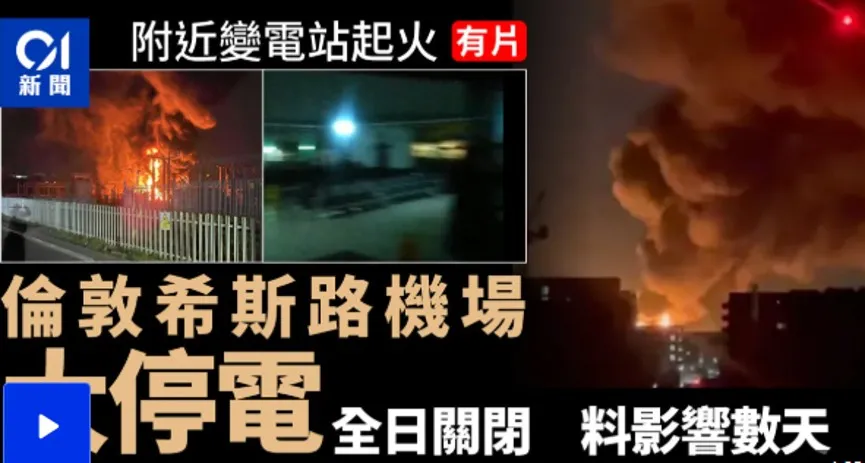
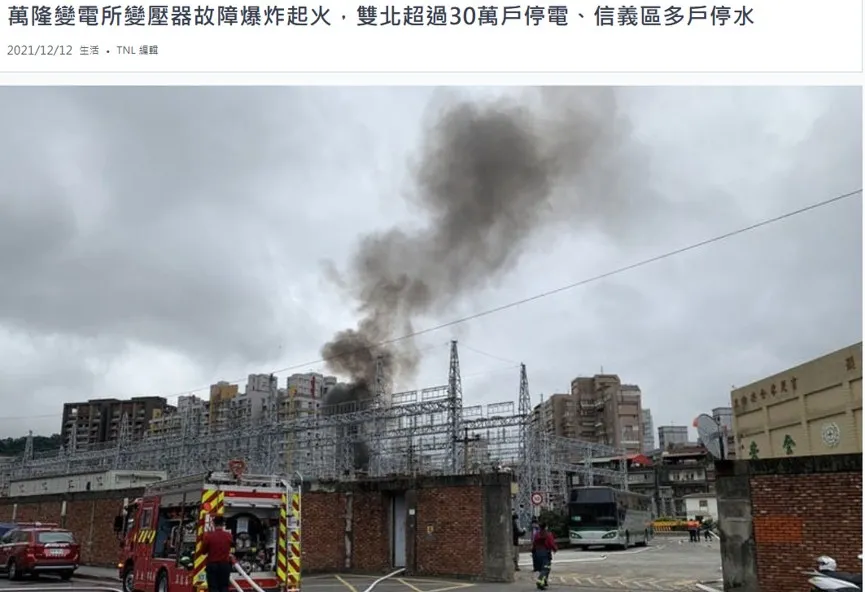
According to a 2024 nationwide failure analysis of 110kV+ transmission equipment by the China Electric Power Research Institute, insulation defects account for 62% of GIS failures — and in 80% of severe failures, sustained partial discharge signals were present for more than a month beforehand. Heathrow’s seven-year-old oil warning and Wanlong’s abnormal testing frequency prove the same point:
“Most catastrophic insulation failures announce themselves well in advance — the only question is whether anyone is listening.”